Building the Right Mindset for a Successful Civil Services Career | Best IAS Coaching in Kerala
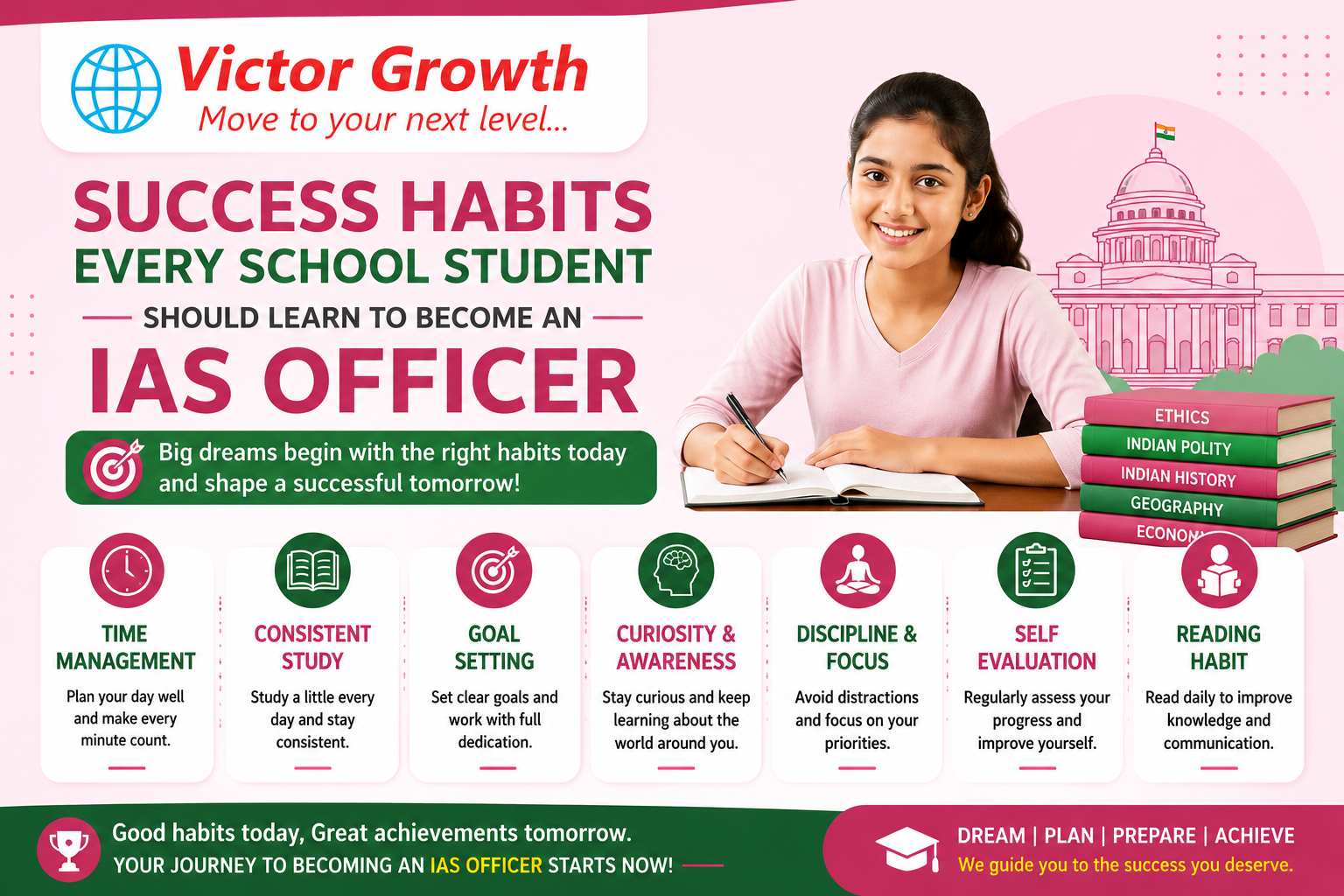
Becoming an Indian Administrative Service (IAS) officer is one of the most prestigious career goals in India. Every year, lakhs of aspirants appear for the Union Public Service Commission (UPSC) Civil Services Examination, but only a small percentage achieve success. While intelligence and academic knowledge are important, what truly sets successful candidates apart is the habits they develop over time.
Success in the UPSC examination is not built in a few months before the exam. It is the result of years of disciplined learning, curiosity, consistent effort, and personal growth. The habits students develop during their school years play a crucial role in shaping their future as civil servants.
For students studying in Classes 8–12, the goal is not to memorize the UPSC syllabus but to cultivate habits that strengthen academic performance, improve personality, and prepare them for future competitive examinations. The best IAS coaching in Kerala encourages students to focus on long-term development rather than short-term results.
This comprehensive guide explores the most important success habits every school student should develop to build a strong foundation for becoming an IAS officer.
Why Success Habits Matter More Than Short-Term Preparation
The UPSC Civil Services Examination tests much more than factual knowledge. It evaluates:
- Conceptual understanding
- Critical thinking
- Analytical reasoning
- Decision-making
- Leadership qualities
- Communication skills
- Ethical values
- Emotional maturity
- Time management
- Personality
These qualities are developed gradually through daily habits rather than last-minute preparation.
Habit 1: Develop a Daily Reading Routine
Reading is one of the most important habits of successful IAS aspirants.
Students should develop the habit of reading:
- NCERT textbooks
- Newspapers
- General knowledge books
- Biographies
- Science magazines
- History books
- Geography books
Reading every day improves:
- Vocabulary
- General awareness
- Comprehension
- Communication
- Analytical thinking
Even 30–45 minutes of daily reading can make a significant difference over several years.
Habit 2: Read Newspapers Regularly
Current affairs form an essential part of UPSC preparation.
Students should regularly read reliable newspapers such as:
- The Hindu
- The Indian Express
Focus on:
- National news
- International relations
- Government schemes
- Economy
- Environment
- Science and Technology
- Editorials
Rather than memorizing headlines, students should understand the reasons behind important events.
Habit 3: Master NCERT Textbooks
NCERT books provide the conceptual foundation for UPSC.
Students should thoroughly understand subjects such as:
- History
- Geography
- Political Science
- Economics
- Science
- Environmental Studies
Strong school-level concepts make future UPSC preparation significantly easier.
Habit 4: Stay Curious
Successful IAS officers are lifelong learners.
Students should ask questions like:
- Why did this happen?
- How does the government work?
- What causes inflation?
- Why is climate change important?
- How do public policies affect society?
Curiosity leads to deeper understanding and stronger analytical skills.
Habit 5: Build Strong General Knowledge
General knowledge should grow gradually through consistent learning.
Students should learn about:
- Indian Constitution
- States and Capitals
- Rivers and Mountains
- National Parks
- Awards
- Important Personalities
- International Organizations
- Indian Culture and Heritage
General awareness supports academics as well as future competitive examinations.
Habit 6: Improve Communication Skills
IAS officers communicate with:
- Citizens
- Government officials
- Political representatives
- Media
- International delegates
Students should improve communication through:
- Public speaking
- Group discussions
- Debates
- Presentations
- Reading aloud
- Vocabulary building
Clear communication enhances confidence and leadership.
Habit 7: Practice Good Time Management
Time is one of the most valuable resources.
Students should learn to balance:
- School
- Homework
- Reading
- Current affairs
- Physical activity
- Family time
- Hobbies
Creating a daily timetable improves discipline and productivity.
Habit 8: Write Every Day
Writing is an essential skill for the UPSC Mains Examination.
Students can practice by:
- Maintaining a journal
- Writing essays
- Summarizing newspaper articles
- Making notes
- Answering descriptive questions
Regular writing improves clarity of thought and presentation skills.
Habit 9: Develop Critical Thinking
UPSC values analytical thinking over rote memorization.
Students should learn to:
- Analyze issues objectively
- Evaluate different viewpoints
- Compare solutions
- Identify root causes
- Think independently
Critical thinking prepares students for both examinations and real-life administration.
Habit 10: Participate in Quizzes and Competitions
Competitions encourage continuous learning.
Students should participate in:
- Quiz competitions
- Essay contests
- Debates
- Science fairs
- Model Parliament
- Model United Nations (MUN)
These activities improve confidence, knowledge, and leadership.
Habit 11: Stay Disciplined
Discipline is one of the defining qualities of successful civil servants.
Students should maintain consistency in:
- Study routines
- Revision
- Reading
- Attendance
- Sleep schedule
- Personal responsibilities
Small daily efforts produce remarkable long-term results.
Habit 12: Learn from Failure
Every successful aspirant experiences setbacks.
Students should:
- Analyze mistakes
- Improve strategies
- Stay motivated
- Maintain a positive attitude
Resilience is essential for competitive examinations and public service.
Habit 13: Develop Leadership Skills
Leadership is central to an IAS officer’s role.
Students can build leadership by:
- Taking responsibility in school
- Organizing events
- Leading group projects
- Helping classmates
- Volunteering for community service
Leadership develops through practice.
Habit 14: Stay Physically Healthy
A healthy body supports a healthy mind.
Students should:
- Exercise regularly
- Play outdoor sports
- Practice yoga
- Eat nutritious food
- Sleep 7–9 hours
- Stay hydrated
Good health improves concentration, memory, and emotional balance.
Habit 15: Limit Unproductive Screen Time
Technology should be used wisely.
Students should:
- Reduce unnecessary social media usage
- Avoid excessive gaming
- Use educational platforms
- Watch informative documentaries
- Read digital newspapers
Balanced technology use improves productivity.
Habit 16: Build Ethical Values
Integrity is one of the most important qualities expected from IAS officers.
Students should practice:
- Honesty
- Respect
- Responsibility
- Empathy
- Fairness
- Accountability
Ethical habits shape responsible future administrators.
Habit 17: Practice Active Learning
Instead of simply reading, students should:
- Make notes
- Ask questions
- Discuss topics
- Teach friends
- Solve quizzes
- Revise regularly
Active learning improves understanding and retention.
Habit 18: Develop Analytical Skills Through Current Affairs
Current affairs become meaningful when students ask:
- Why did this happen?
- Who benefits?
- What are the challenges?
- What solutions exist?
This analytical approach prepares students for UPSC Mains and interviews.
Habit 19: Respect Teachers and Mentors
Guidance accelerates learning.
Students should:
- Seek feedback
- Clarify doubts
- Accept constructive criticism
- Learn from experienced mentors
Good mentorship builds confidence and direction.
Habit 20: Never Stop Learning
Successful IAS officers remain lifelong learners.
Students should continuously explore:
- New books
- New ideas
- New technologies
- Government policies
- Social issues
- Global developments
Learning should become a habit rather than an obligation.
A Sample Daily Routine for School Students Aspiring to Become IAS Officers
A balanced daily routine may include:
Morning
- Read newspaper headlines (15–20 minutes)
- Revise school lessons
School Hours
- Focus on conceptual understanding
- Participate actively in class discussions
Evening
- Complete homework
- Read a non-textbook educational book (20–30 minutes)
- Revise current affairs notes
Night
- Write a short journal or summary
- Plan the next day’s tasks
- Sleep on time
Consistency is more important than studying for long hours.
Common Habits That Students Should Avoid
Avoid:
- Procrastination
- Memorizing without understanding
- Excessive social media usage
- Irregular study schedules
- Ignoring newspapers
- Comparing yourself with others
- Studying only before examinations
- Neglecting physical fitness
Replacing poor habits with productive routines creates long-term success.
How Parents Can Help Build Success Habits
Parents can support children by:
- Encouraging reading
- Creating a peaceful study environment
- Appreciating effort
- Limiting distractions
- Discussing current affairs
- Promoting healthy routines
- Encouraging curiosity
Positive parental support strengthens motivation.
How the Best IAS Coaching in Kerala Helps Students Develop Success Habits
A quality IAS Foundation Program focuses not only on academics but also on character building.
The best IAS coaching in Kerala helps students develop:
- Daily reading habits
- Current affairs awareness
- Leadership skills
- Communication abilities
- Analytical thinking
- Time management
- Writing skills
- Personality development
- Ethical values
- Discipline and consistency
These habits create a strong foundation for future Civil Services preparation.
Why Victor Growth is Among the Best IAS Coaching in Kerala
Victor Growth’s IAS Foundation Program is designed to help school students develop lifelong habits that contribute to academic excellence, competitive exam success, and personal growth. The program goes beyond classroom teaching by focusing on building the mindset and discipline expected of future civil servants.
Key features include:
- Comprehensive NCERT-based learning
- Daily newspaper reading guidance
- Current affairs analysis
- Leadership and personality development
- Communication and public speaking training
- Critical thinking and analytical skill development
- Essay writing and note-making practice
- Weekly assessments and performance tracking
- Individual mentoring
- Parent interaction sessions
- Career guidance for UPSC and other competitive examinations
By combining conceptual learning with habit formation, Victor Growth empowers students to grow into confident, disciplined, and socially responsible leaders. This holistic approach makes it one of the preferred destinations for families searching for the best IAS coaching in Kerala.
Conclusion
The journey to becoming an IAS officer begins long before appearing for the UPSC Civil Services Examination. It starts with the daily habits students cultivate during their school years. Reading regularly, mastering concepts, staying curious, following current affairs, improving communication, managing time wisely, and maintaining discipline gradually build the foundation required for long-term success.
Students who consistently practice these habits not only perform better academically but also develop the leadership, analytical thinking, ethical values, and confidence expected of future civil servants.
With guidance from supportive parents, dedicated teachers, and the best IAS coaching in Kerala, school students can transform simple daily routines into lifelong success habits that prepare them for UPSC, other competitive examinations, and meaningful careers in public service.
Frequently Asked Questions (FAQs)
1. What are the most important habits for becoming an IAS officer?
The most important habits include regular reading, mastering NCERT textbooks, staying updated with current affairs, practicing writing, improving communication skills, developing analytical thinking, managing time effectively, and maintaining discipline.
2. When should students start building IAS preparation habits?
Students can begin during Classes 8–12 by developing reading habits, strengthening school concepts, improving general knowledge, and following current affairs alongside their regular studies.
3. How much time should school students spend preparing daily?
Students can spend 30–60 minutes each day on newspaper reading, general knowledge, or revision in addition to their school studies. Consistency is more valuable than studying for long hours.
4. Why are reading habits important for IAS preparation?
Reading improves vocabulary, comprehension, communication skills, analytical thinking, and general awareness, all of which are essential for the UPSC Civil Services Examination.
5. Can extracurricular activities help future IAS aspirants?
Yes. Debates, quizzes, sports, leadership programs, essay competitions, and community service develop confidence, teamwork, communication, and leadership qualities.
6. How does current affairs reading benefit school students?
Current affairs enhance general knowledge, analytical thinking, understanding of governance, and awareness of national and international developments, creating a strong foundation for future competitive examinations.
7. Why is time management important for IAS aspirants?
Good time management helps students balance school academics, reading, revision, extracurricular activities, and personal well-being, ensuring consistent long-term preparation.
8. How does the best IAS coaching in Kerala help students develop success habits?
Leading coaching institutes guide students in building reading routines, current affairs awareness, leadership, communication, writing skills, analytical thinking, personality development, and disciplined study habits through structured Foundation Programs.
9. Should school students focus only on UPSC books?
No. Students should first master NCERT textbooks and school subjects. Advanced UPSC resources can be introduced gradually under expert guidance at the appropriate stage.
10. Why should parents encourage success habits from an early age?
Early habit formation helps children become disciplined, confident, curious, and responsible learners while preparing them for long-term success in UPSC, other competitive examinations, and life.