Summer vacation is more than just a break from school—it’s an excellent opportunity for students to develop new skills, strengthen academic foundations, and cultivate habits that contribute to long-term success. For students aspiring to become IAS officers, these holidays can be transformed into a productive learning period without sacrificing relaxation and enjoyment.
Unlike regular school days, summer vacations provide additional time to explore subjects beyond the classroom, improve general awareness, build personality, and prepare for future competitive examinations. Students don’t need to spend the entire vacation studying; instead, they should focus on meaningful activities that develop knowledge, discipline, creativity, and leadership.
The best IAS coaching in Kerala encourages students to make the most of their summer vacations by combining academics with personal development. A balanced approach ensures students return to school more confident, knowledgeable, and motivated.
Why Summer Vacation Is Important for IAS Foundation Students
IAS preparation is a gradual process that rewards consistent effort over many years. Summer vacations provide uninterrupted time to strengthen the skills that are essential for future Civil Services success.
Benefits include:
- Building strong academic foundations
- Improving reading habits
- Enhancing communication skills
- Developing leadership qualities
- Expanding general knowledge
- Learning time management
- Building confidence
- Exploring new interests and hobbies
Instead of viewing summer as a complete academic break, students should see it as an opportunity for holistic growth.
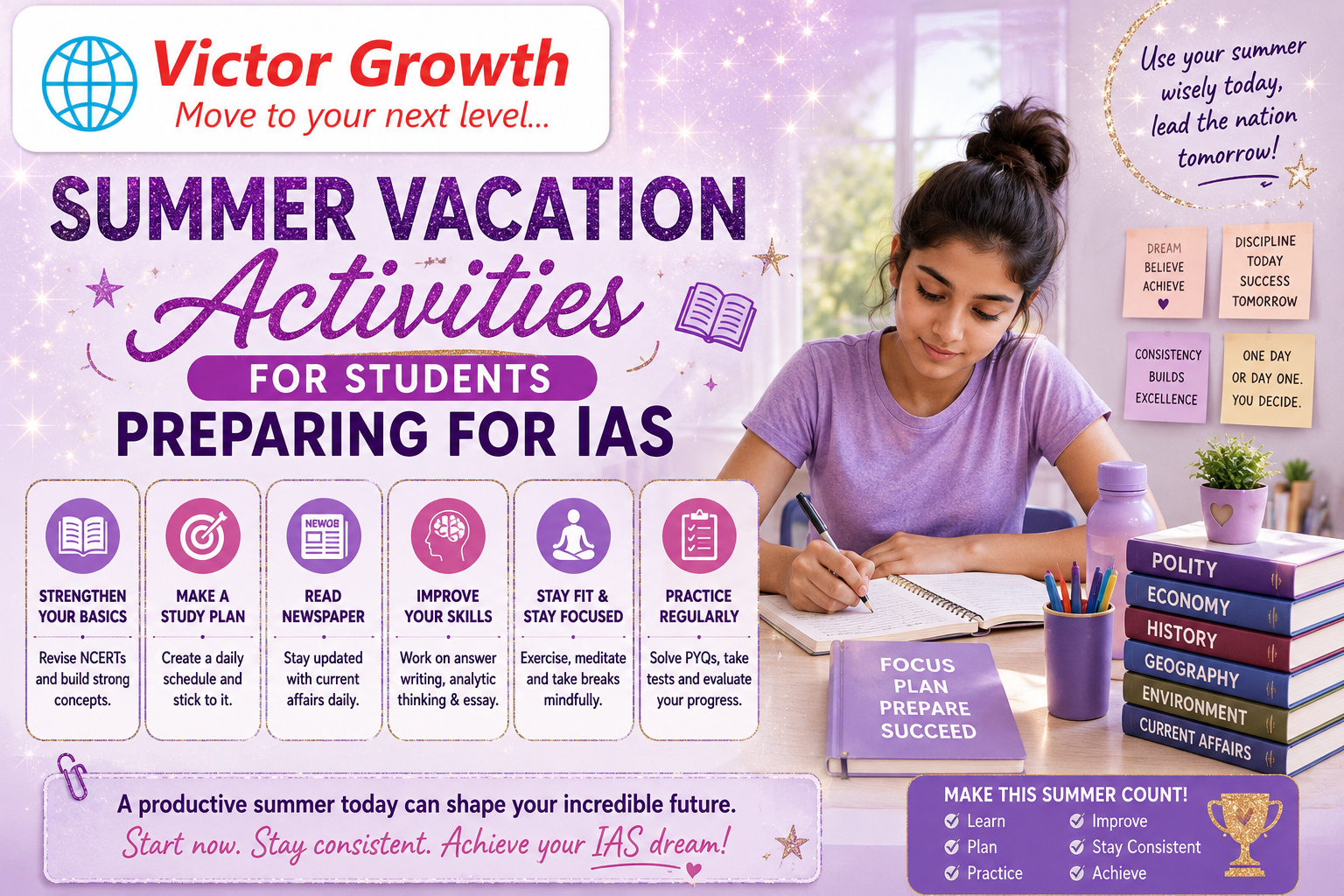
Create a Balanced Summer Schedule
One of the biggest mistakes students make is either studying excessively or not studying at all.
A balanced routine should include:
- Study time
- Reading
- Physical activity
- Creative hobbies
- Family time
- Outdoor activities
- Skill development
- Adequate rest
Maintaining this balance helps students stay motivated throughout the vacation.
1. Read NCERT Books
NCERT books form the backbone of IAS preparation.
Summer vacation is the perfect time to strengthen concepts in:
- History
- Geography
- Political Science
- Economics
- Science
- Social Studies
Students should focus on understanding concepts rather than memorizing facts.
Take notes while reading and revise them regularly.
2. Develop the Habit of Reading Newspapers
Reading newspapers every day develops awareness about:
- National affairs
- International relations
- Science and Technology
- Economy
- Environment
- Government schemes
- Sports achievements
Students can maintain a simple notebook to record important news and write brief summaries.
This habit improves comprehension, analytical thinking, and vocabulary.
3. Build a Reading Habit Beyond Textbooks
Successful IAS officers are lifelong readers.
Summer vacations are ideal for reading:
- Children’s encyclopedias
- Biographies of national leaders
- Books on Indian history
- Science magazines
- General knowledge books
- Inspirational stories
Reading regularly expands imagination, improves vocabulary, and develops critical thinking.
4. Improve Communication Skills
Good communication is essential for every future civil servant.
Students can practice by:
- Speaking in English and their mother tongue
- Reading aloud
- Participating in family discussions
- Giving short speeches
- Practicing storytelling
- Joining debate clubs
Confidence in communication develops gradually through regular practice.
5. Maintain a Daily Journal
Writing daily improves thinking and expression.
Students can write about:
- What they learned
- Interesting news
- Personal experiences
- Daily goals
- Inspirational quotes
- Gratitude entries
Journal writing also strengthens answer-writing skills, which are valuable for future competitive examinations.
6. Practice Creative Writing
Summer holidays provide time to improve writing through:
- Essays
- Short stories
- Book reviews
- Opinion articles
- Current affairs summaries
Creative writing develops imagination while improving grammar and sentence structure.
7. Learn Basic Map Reading
Geography is a significant part of UPSC preparation.
Students should practice identifying:
- Indian states
- Capitals
- Rivers
- Mountains
- Neighboring countries
- Oceans
- Important world locations
Using maps regularly strengthens geographical awareness.
8. Improve General Knowledge
General awareness grows through curiosity.
Students can:
- Watch educational documentaries
- Read magazines
- Solve quizzes
- Learn about Indian states
- Study important historical events
- Explore world geography
Learning should be enjoyable rather than stressful.
9. Solve Puzzles and Brain Games
IAS officers require strong analytical abilities.
Students can improve logical thinking through:
- Sudoku
- Crossword puzzles
- Chess
- Brain teasers
- Logical reasoning exercises
These activities sharpen decision-making and problem-solving skills.
10. Develop Leadership Skills
Leadership cannot be learned only from books.
Students should volunteer for:
- School clubs
- Community activities
- Environmental campaigns
- Group projects
- Family responsibilities
Leadership experiences build confidence, responsibility, and teamwork.
11. Participate in Social Service Activities
Civil servants work for society.
Students can engage in:
- Tree plantation drives
- Cleanliness campaigns
- Charity events
- Library volunteering
- Community awareness programs
These activities nurture empathy, compassion, and civic responsibility.
12. Learn Basic Computer Skills
Technology is becoming increasingly important in education and governance.
Useful skills include:
- Microsoft Word
- Excel
- PowerPoint
- Internet research
- Online presentations
- Typing practice
Digital literacy supports both academics and future professional responsibilities.
13. Improve Vocabulary
Strong vocabulary enhances communication and writing.
Students should:
- Learn five new words daily
- Use new words in sentences
- Read quality books
- Maintain a vocabulary notebook
Consistent practice leads to steady improvement.
14. Practice Public Speaking
Public speaking builds confidence.
Students can:
- Speak on current affairs
- Explain newspaper articles
- Present book summaries
- Practice in front of family members
Regular speaking practice reduces stage fear and improves clarity of expression.
15. Build Healthy Lifestyle Habits
Physical and mental health are essential for effective learning.
Daily activities should include:
- Morning walks
- Yoga
- Cycling
- Outdoor sports
- Stretching exercises
Healthy eating and adequate sleep also improve concentration and memory.
16. Explore Educational Museums and Historical Places
Summer vacation offers an excellent opportunity to visit:
- Museums
- Historical monuments
- Science centers
- Planetariums
- Wildlife sanctuaries
- Heritage sites
These visits make learning more engaging and memorable.
17. Watch Educational Documentaries
Instead of spending long hours on entertainment, students can watch documentaries about:
- Indian history
- Wildlife
- Space exploration
- Science
- Geography
- Indian Constitution
- Great leaders
Visual learning often makes complex concepts easier to understand.
18. Learn Time Management
Summer vacation is the best time to develop discipline.
Students should:
- Wake up early
- Follow a timetable
- Set daily goals
- Avoid procrastination
- Review daily progress
Time management becomes a lifelong asset for IAS preparation.
19. Join an IAS Foundation Course
A structured IAS Foundation Course provides students with expert guidance during their formative years.
Benefits include:
- Concept-based learning
- NCERT guidance
- Current affairs exposure
- Personality development
- Communication training
- Logical reasoning practice
- Leadership activities
- Career mentoring
Learning under experienced mentors keeps students focused and motivated.
20. Spend Quality Time with Family
Personal development is not limited to academics.
Family interactions help students:
- Improve emotional intelligence
- Learn values
- Build confidence
- Strengthen communication
- Develop empathy
Balanced personal growth contributes significantly to becoming an effective civil servant.
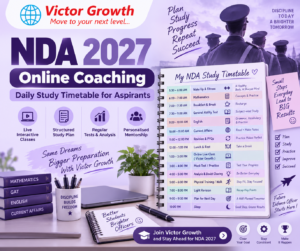
Sample Summer Vacation Timetable
| Time | Activity |
|---|---|
| 6:00 AM | Wake up, exercise, meditation |
| 6:45 AM | Read newspaper |
| 7:15 AM | Breakfast |
| 8:00–9:00 AM | NCERT study |
| 9:00–10:00 AM | School subject revision |
| 10:00–11:00 AM | Reading books |
| Afternoon | Family time, hobbies, rest |
| 4:00 PM | Outdoor games or sports |
| 5:30 PM | Current affairs notes |
| 6:30 PM | Creative writing or quizzes |
| 8:00 PM | Dinner |
| 9:00 PM | Journal writing and revision |
| 10:00 PM | Sleep |
This routine can be adjusted based on the student’s age and personal preferences.
Common Mistakes Students Should Avoid During Summer Vacation
Avoid these habits:
- Spending excessive time on mobile phones
- Watching television for long hours
- Ignoring reading completely
- Sleeping very late every day
- Studying continuously without breaks
- Avoiding outdoor activities
- Neglecting physical fitness
- Memorizing instead of understanding
- Comparing yourself with others
Small, consistent efforts are more valuable than occasional intensive study.
How the Best IAS Coaching in Kerala Supports Productive Summer Learning
The best IAS coaching in Kerala recognizes that summer vacation is an ideal time to strengthen a student’s academic and personal development. Foundation programs are designed to make learning engaging, interactive, and age-appropriate while nurturing curiosity and discipline.
Key features include:
- Structured summer learning schedules
- NCERT-based conceptual classes
- Daily newspaper and current affairs discussions
- Interactive quizzes and assessments
- Personality development sessions
- Public speaking and communication workshops
- Leadership and decision-making activities
- Individual mentoring and career guidance
- Reading habit development
- Regular progress evaluation
Such guidance helps students make productive use of their holidays while maintaining a healthy balance between learning and recreation.
Conclusion
Summer vacation is not just a break from school—it is an opportunity to invest in your future. By using this time wisely, students can strengthen their academic foundation, develop essential life skills, improve general awareness, and build the discipline required for the Civil Services Examination.
Activities such as reading NCERT books, following current affairs, practicing communication, participating in leadership opportunities, and maintaining a healthy lifestyle prepare students not only for IAS but also for overall personal growth. With structured guidance from the best IAS coaching in Kerala, students can transform their summer vacation into a meaningful step toward achieving their dream of becoming successful civil servants.
Frequently Asked Questions (FAQs)
1. Why is summer vacation important for IAS Foundation students?
Summer vacation provides uninterrupted time to improve academic concepts, build reading habits, develop leadership skills, and strengthen the foundation required for future Civil Services preparation.
2. Should students study every day during summer vacation?
Yes. Students should maintain a balanced routine with 1–3 hours of focused study, combined with reading, physical activity, hobbies, and family time to ensure holistic development.
3. Which books should students read during summer vacation?
Students should prioritize NCERT textbooks along with biographies, general knowledge books, history books, science magazines, and age-appropriate educational literature.
4. How can summer vacation improve current affairs knowledge?
Reading newspapers daily, maintaining a current affairs notebook, watching educational documentaries, and discussing important events with teachers or parents help students stay informed and develop analytical thinking.
5. What non-academic activities are useful for future IAS officers?
Activities such as public speaking, volunteering, journaling, chess, debates, leadership programs, sports, yoga, and creative writing help build confidence, decision-making, communication, and emotional intelligence.
6. How does the best IAS coaching in Kerala help students during summer vacation?
The best IAS coaching in Kerala offers structured summer programs that combine NCERT learning, current affairs, personality development, communication training, leadership activities, quizzes, mentorship, and regular assessments, enabling students to make productive use of their holidays while preparing for long-term success.