1. Context and Background
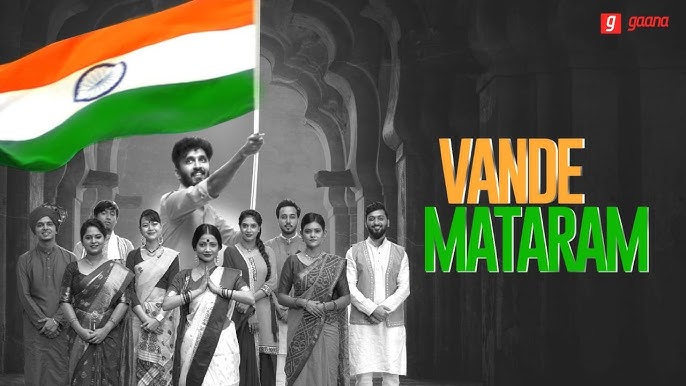
The Government of Maharashtra has launched a year-long celebration to mark the 150th anniversary of the national song ‘Vande Mataram’.
The celebration is titled “Sardh Shatabdi Mahotsav”, meaning 150th Year Festival.
The event was inaugurated at Mantralaya’s Trimurti Courtyard, Mumbai, by Chief Minister Devendra Fadnavis.
The initiative commemorates the historic and emotional legacy of ‘Vande Mataram’, which played a vital role in India’s freedom struggle.
🟢 2. Historical Significance of “Vande Mataram”
Written by Bankim Chandra Chattopadhyay in 1875, originally in Sanskrit and Bengali.
It first appeared in his novel “Anandamath” (1882), which depicted India as a divine mother figure.
The song’s refrain — “Mother, I bow to thee” — symbolised patriotism and devotion to the motherland.
It inspired countless freedom fighters including Bal Gangadhar Tilak, Aurobindo Ghosh, and Lala Lajpat Rai.
The first two stanzas of the song were later adopted as India’s National Song.
🟢 3. About the Sardh Shatabdi Mahotsav
Purpose: To celebrate 150 years of ‘Vande Mataram’ and rekindle patriotic spirit among citizens.
Duration: The celebration is year-long, featuring cultural, educational, and social programs.
Theme: Patriotism, Unity, and Cultural Pride.
🟢 4. Key Organisers and Leadership
Chief Minister: Devendra Fadnavis — inaugurated the festival.
Lead Ministry: Department of Skill Development, Entrepreneurship & Innovation — headed by Mangalprabhat Lodha, who conceptualised the event.
Coordination: Department of Cultural Affairs, led by Ashish Shelar, managing statewide activities.
🟢 5. Major Activities and Highlights
Group Rendition of ‘Vande Mataram’
Hundreds of participants performed a collective singing at Mantralaya, marking the launch event.
Educational Participation
The government issued a circular encouraging schools, colleges, government offices, and civic bodies to organise group singing across the state.
Cultural and Literary Events
Essay writing, debate competitions, exhibitions, and stage performances based on the song’s legacy.
Public Engagement and Awareness
Social media campaigns and creative outreach programs to engage the youth digitally.
Aim: To make patriotism resonate in the digital era.
🟢 6. National Dimension
The initiative aligns with the broader national vision under Prime Minister Narendra Modi, promoting “Ek Bharat, Shreshtha Bharat”.
Similar commemorations are expected in other states to honour India’s cultural and patriotic symbols.
🟢 7. Exam-Oriented Key Facts
| Fact | Details |
|---|---|
| Song | Vande Mataram |
| Author | Bankim Chandra Chattopadhyay |
| Year Written | 1875 |
| Language | Sanskrit and Bengali |
| First Published In | Anandamath (1882) |
| Occasion | 150th Anniversary (Sardh Shatabdi Mahotsav) |
| State Leading Celebration | Maharashtra |
| Chief Minister | Devendra Fadnavis |
| Venue of Launch | Trimurti Courtyard, Mantralaya, Mumbai |
| Concept by | Mangalprabhat Lodha |
| Cultural Affairs Head | Ashish Shelar |
🟢 8. Broader Significance for UPSC
(a) Cultural Importance:
Reflects how patriotic songs and literature fostered nationalism during the colonial era.
Demonstrates the power of cultural symbols in uniting the nation.
(b) Governance and Society:
Example of a state-led initiative promoting civic nationalism and youth participation.
Shows how governments use heritage-based soft power to strengthen national unity.
(c) Ethical Dimension:
Connects with UPSC Ethics topics like emotional integration, national pride, and cultural heritage.
🟢 9. Possible UPSC Prelims Questions
Who wrote the national song “Vande Mataram”?
(A) Rabindranath Tagore
(B) Bankim Chandra Chattopadhyay ✅
(C) Subramania Bharati
(D) Sri Aurobindo
The 150th anniversary of “Vande Mataram” is being celebrated by which state government?
(A) West Bengal
(B) Maharashtra ✅
(C) Tamil Nadu
(D) Gujarat
In which novel did “Vande Mataram” first appear?
(A) Anandamath ✅
(B) Devi Chaudhurani
(C) Rajmohan’s Wife
(D) Kapalkundala
🟢 10. Conclusion
The Sardh Shatabdi Mahotsav of Vande Mataram is not just a commemoration, but a renewal of India’s patriotic consciousness.
By blending tradition with modern engagement, Maharashtra’s initiative exemplifies how cultural heritage can inspire unity and national pride even in the 21st century.