A Complete Guide for Students Preparing for UPSC and Competitive Exams | Best IAS Coaching in Kerala
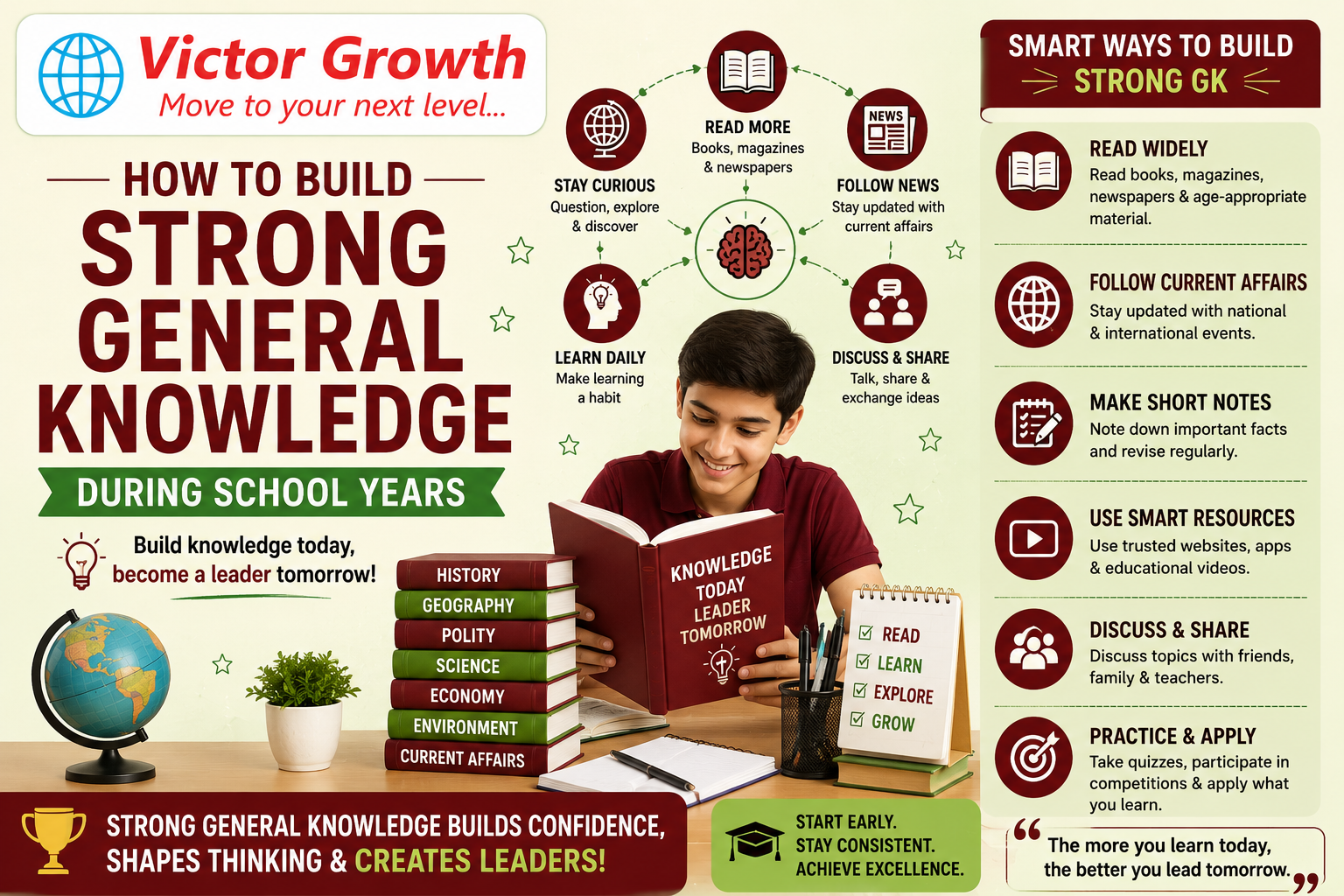
General Knowledge (GK) is much more than remembering facts about countries, capitals, or historical dates. It is the ability to understand the world, connect events, think critically, and make informed decisions. For students aspiring to become IAS officers or succeed in competitive examinations, building strong general knowledge during school years is one of the smartest investments they can make.
The Union Public Service Commission (UPSC) Civil Services Examination places significant emphasis on current affairs, history, geography, polity, economics, science, environment, and international relations. Students who begin developing their general knowledge during Classes 8–12 gain a clear advantage because they build a strong intellectual foundation over time rather than trying to learn everything at the last moment.
The best IAS coaching in Kerala encourages students to cultivate curiosity, reading habits, and analytical thinking from an early age. This comprehensive guide explains practical strategies to build strong general knowledge during school years while balancing academic studies.
Why General Knowledge is Important for Students
General knowledge goes beyond competitive examinations. It shapes a student’s personality, confidence, and decision-making ability.
Strong general knowledge helps students:
- Perform well in UPSC and other competitive exams
- Improve school academics
- Enhance communication skills
- Develop critical thinking
- Participate confidently in quizzes and debates
- Improve essay writing
- Strengthen interview performance
- Build awareness of society and global issues
- Become informed and responsible citizens
For future civil servants, general knowledge forms the backbone of administrative understanding and policy analysis.
Start Building General Knowledge Early
Many students believe they should focus on GK only after completing school. This is a misconception.
School years are the best time to develop:
- Curiosity
- Reading habits
- Observation skills
- Logical reasoning
- Awareness of national and international events
Learning gradually over several years is far more effective than trying to memorize vast amounts of information in a short period.
Master Your NCERT Textbooks
The first and most important step is mastering NCERT textbooks.
Subjects such as:
- History
- Geography
- Political Science
- Economics
- Science
- Environmental Studies
provide a strong conceptual foundation for general knowledge.
Instead of memorizing facts, students should focus on understanding concepts and how different topics relate to real-world events.
Read Newspapers Every Day
Reading newspapers is one of the best habits for improving general knowledge.
Students should spend 20–30 minutes daily reading reliable newspapers such as The Hindu or The Indian Express.
Focus on:
- National news
- International affairs
- Government policies
- Economy
- Science and Technology
- Environment
- Education
- Sports achievements
- Editorials
Avoid spending excessive time on celebrity gossip or sensational news.
Consistent newspaper reading improves vocabulary, analytical thinking, and awareness of current events.
Develop a Reading Habit Beyond Textbooks
General knowledge grows when students read widely.
Recommended reading includes:
- Children’s encyclopedias
- Science magazines
- History books
- Geography books
- Biographies
- Government publications
- Educational magazines
Reading diverse topics broadens perspectives and enhances comprehension skills.
Learn Through Current Affairs
Current affairs connect classroom learning with real-world developments.
Students should stay updated on:
- Government schemes
- Scientific discoveries
- Space missions
- Environmental issues
- International organizations
- Elections
- Economic developments
- Awards and honors
- Important national events
Understanding why events happen is more valuable than simply remembering what happened.
Maintain a General Knowledge Notebook
A dedicated notebook helps students organize information.
Divide the notebook into sections such as:
- National News
- International Affairs
- Economy
- Science and Technology
- Environment
- Sports
- Awards
- Important Personalities
- Government Schemes
Writing short notes reinforces learning and makes revision easier before quizzes and examinations.
Watch Educational Documentaries
Educational documentaries make learning enjoyable.
Students can watch age-appropriate documentaries on:
- Wildlife
- Space exploration
- Indian history
- World civilizations
- Geography
- Climate change
- Scientific inventions
Visual learning improves understanding and long-term retention.
Participate in Quiz Competitions
School quizzes encourage students to explore new topics and think quickly.
Benefits include:
- Improved memory
- Better recall
- Faster thinking
- Healthy competition
- Increased confidence
Even if students do not win, regular participation significantly enhances general awareness.
Read About India’s Constitution
Basic knowledge of the Indian Constitution is essential for every future civil servant.
Students in higher classes can begin learning about:
- Fundamental Rights
- Fundamental Duties
- Parliament
- Judiciary
- President
- Prime Minister
- Elections
- Federalism
These topics are important for both academics and competitive examinations.
Improve Map Skills
Geography is a major component of general knowledge.
Students should regularly practice identifying:
- States and capitals
- Countries
- Rivers
- Mountains
- Oceans
- National Parks
- Important cities
Using an atlas regularly improves geographical awareness and helps connect current affairs with locations.
Read Biographies of Great Leaders
Biographies inspire students while expanding historical and political understanding.
Recommended personalities include:
- Mahatma Gandhi
- Dr. B.R. Ambedkar
- Dr. A.P.J. Abdul Kalam
- Sardar Vallabhbhai Patel
- Swami Vivekananda
- Subhas Chandra Bose
- Lal Bahadur Shastri
These books teach leadership, ethics, perseverance, and public service values.
Learn Through Educational Apps and Websites
Technology can be a powerful learning tool when used wisely.
Students may use trusted educational platforms to:
- Practice quizzes
- Learn current affairs
- Explore science concepts
- Watch educational videos
- Improve vocabulary
Screen time should remain purposeful and balanced.
Improve Vocabulary Daily
General knowledge is closely linked with language skills.
Students should:
- Learn 5–10 new words daily
- Read editorials
- Use dictionaries
- Practice writing sentences
- Maintain a vocabulary notebook
A strong vocabulary improves reading comprehension, essay writing, and interviews.
Discuss Current Events with Teachers and Parents
Healthy discussions help students understand different perspectives.
Topics may include:
- Government initiatives
- Scientific innovations
- Environmental challenges
- International relations
- Social issues
Discussion develops critical thinking rather than rote memorization.
Connect School Subjects with Real Life
Instead of treating subjects separately, students should relate classroom learning to current events.
Examples:
- Economics → Union Budget
- Geography → Monsoon and climate change
- Science → Space missions
- History → National celebrations
- Political Science → Elections and governance
This approach strengthens conceptual understanding and long-term memory.
Solve General Knowledge Quizzes Weekly
Regular practice helps students evaluate their learning.
Weekly quizzes improve:
- Recall ability
- Confidence
- Speed
- Conceptual understanding
- Competitive exam readiness
Mistakes should be treated as learning opportunities.
Read Government Publications
Students in Classes 11–12 can gradually begin reading selected articles from:
- Yojana
- Kurukshetra
- PIB (Press Information Bureau) updates
These publications provide authentic information on government policies, rural development, economy, health, education, and governance.
Develop Analytical Thinking
Strong general knowledge is not about collecting facts.
Students should ask questions such as:
- Why did this event happen?
- How does it affect society?
- What are its long-term implications?
- What solutions are possible?
Analytical thinking is one of the most important qualities tested in UPSC.
Stay Consistent
Building general knowledge is a continuous process.
Daily habits are more effective than occasional intensive study sessions.
Even spending 30–45 minutes daily on reading and current affairs can produce remarkable results over several years.
Common Mistakes Students Should Avoid
Avoid these common errors:
- Memorizing facts without understanding
- Ignoring newspapers
- Depending only on social media for news
- Reading too many books simultaneously
- Neglecting school textbooks
- Studying irregularly
- Avoiding revision
- Focusing only on examination facts instead of concepts
Consistency and conceptual learning are the keys to success.
How the Best IAS Coaching in Kerala Helps Students Build Strong General Knowledge
Professional coaching provides direction and structure.
The best IAS coaching in Kerala helps students by offering:
- Curated reading lists
- Daily current affairs sessions
- NCERT-based learning
- Weekly quizzes
- Interactive discussions
- Leadership and personality development
- Expert faculty guidance
- Regular assessments
- Individual mentoring
- Concept-based learning rather than rote memorization
Students receive systematic guidance that makes learning engaging and effective.
Why Victor Growth is Among the Best IAS Coaching in Kerala
Victor Growth’s IAS Foundation Program is designed to help school students develop exceptional general knowledge while building the academic and personal skills required for future competitive examinations.
Key features include:
- Comprehensive NCERT-based curriculum
- Daily current affairs analysis
- Weekly GK quizzes
- Reading habit development
- Newspaper analysis sessions
- Leadership and personality development workshops
- Interactive classroom discussions
- Structured study plans
- Regular performance evaluations
- Individual mentoring by experienced faculty
The program encourages students to think critically, ask meaningful questions, and develop a lifelong habit of learning—qualities that are essential for future civil servants. This holistic approach makes Victor Growth a preferred destination for students seeking the best IAS coaching in Kerala.
Conclusion
Strong general knowledge is not developed overnight. It grows through consistent reading, curiosity, observation, discussion, and disciplined learning. Students who begin building these habits during their school years gain a tremendous advantage not only in UPSC but also in academics, leadership, communication, and overall personality development.
By mastering NCERT textbooks, reading newspapers daily, participating in quizzes, maintaining notes, and staying curious about the world, students can steadily build the knowledge and confidence required for future success.
With the right mentorship and structured guidance from the best IAS coaching in Kerala, school students can transform their curiosity into competence and lay a strong foundation for achieving their dream of becoming civil servants.
Frequently Asked Questions (FAQs)
1. Why is general knowledge important for UPSC preparation?
General knowledge helps students understand current affairs, history, geography, polity, economics, science, and society, all of which are essential components of the UPSC Civil Services Examination.
2. When should students start building general knowledge?
Students should begin during Classes 8–12, as early preparation allows them to develop strong reading habits, analytical thinking, and conceptual understanding gradually.
3. Which newspaper is best for improving general knowledge?
The Hindu and The Indian Express are widely recommended for their reliable coverage of national, international, economic, scientific, and policy-related developments.
4. Are NCERT textbooks enough for building general knowledge?
NCERT textbooks provide the foundation. Students should supplement them with newspapers, educational magazines, biographies, quizzes, and current affairs resources.
5. How much time should school students spend on general knowledge every day?
Spending 30–45 minutes daily on newspaper reading, current affairs, and revision is sufficient for building strong general knowledge over time.
6. Should students rely on social media for current affairs?
No. Social media can be useful for updates but should never replace reliable newspapers and authentic educational resources.
7. How can students remember current affairs effectively?
Maintain a current affairs notebook, revise weekly, participate in quizzes, and connect current events with school subjects for better retention.
8. What are the best books for improving general knowledge during school years?
NCERT textbooks, an atlas, biographies of national leaders, science encyclopedias, and selected government publications such as Yojana and Kurukshetra are highly recommended.
9. How does the best IAS coaching in Kerala help students improve general knowledge?
Top coaching institutes provide structured reading plans, daily current affairs sessions, quizzes, expert guidance, interactive discussions, and regular assessments to build comprehensive general awareness.
10. Why should students join an IAS Foundation Program during school?
An IAS Foundation Program helps students develop strong general knowledge, analytical thinking, leadership skills, communication abilities, disciplined study habits, and confidence, giving them a long-term advantage in UPSC and other competitive examinations.