
Introduction
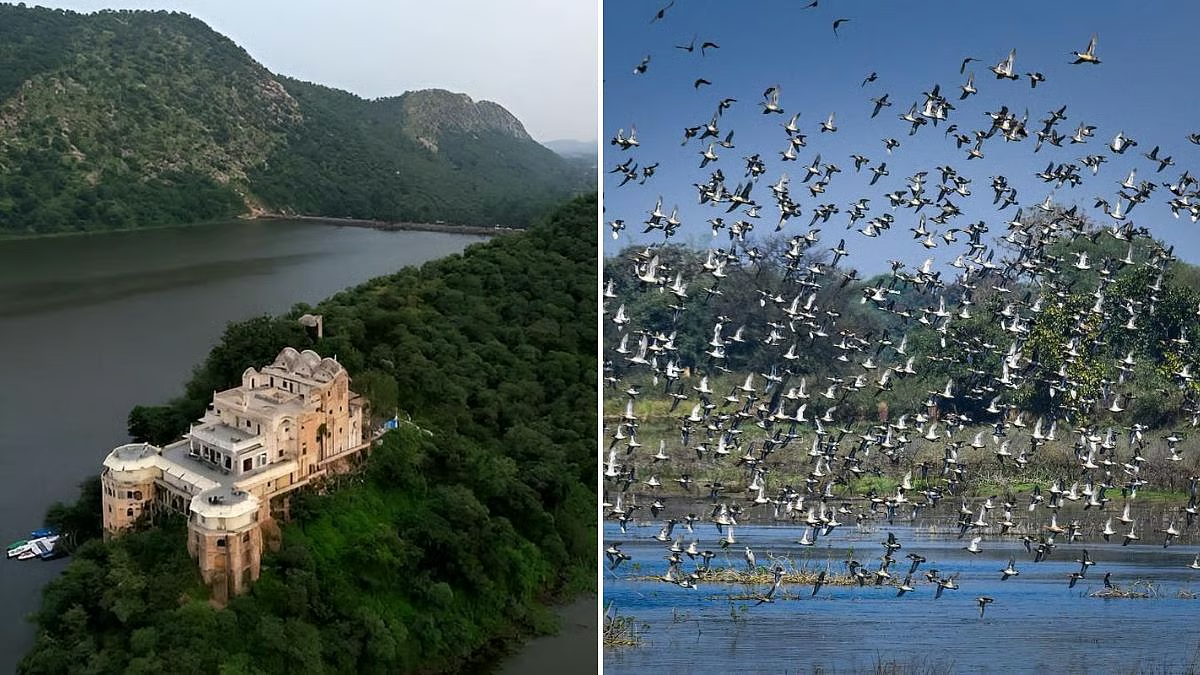
Siliserh Lake, located in Alwar district of Rajasthan, has been designated as a Ramsar Site, making it India’s 96th wetland of international importance. Along with Siliserh, the Kopra Reservoir in Bilaspur district of Chhattisgarh has also been added to the global Ramsar list.
This recognition reflects India’s growing commitment to wetland conservation, biodiversity protection, and sustainable water management.
Ramsar Convention: Background
The Ramsar Convention on Wetlands was adopted in 1971 in Ramsar, Iran.
It aims at the conservation and wise use of wetlands through local, national, and international cooperation.
Ramsar Sites are selected based on ecological, botanical, zoological, limnological, or hydrological importance.
India became a signatory to the Convention in 1982.
Why Siliserh Lake is Important
1. Ecological and Environmental Significance
Siliserh Lake plays a crucial role in:
Biodiversity conservation
Groundwater recharge
Climate resilience, especially in the semi-arid Aravalli region
Wetlands like Siliserh act as natural buffers against floods and droughts and help in carbon sequestration.
2. Rich Biodiversity
The lake supports over 100 species of birds and animals.
Migratory birds such as cranes visit the lake seasonally.
Resident species include kingfishers and other wetland-dependent fauna.
Functions as:
A feeding ground
A breeding and nesting habitat
Its proximity to the Sariska Tiger Reserve enhances its ecological value as part of the Aravalli ecosystem corridor.
3. Hydrological Importance
Originally built to supply drinking water to Alwar city.
Continues to contribute to regional water security.
Historic aqueduct systems around the lake showcase early water-management practices.
4. Historical and Cultural Significance
Constructed in 1845 by Maharaja Vinay Singh, the then ruler of Alwar.
The lake reflects a blend of:
Traditional engineering
Heritage conservation
Enhances the cultural landscape of Rajasthan’s water bodies.
Significance of Ramsar Status
Strengthened Conservation
Brings international recognition and technical support.
Encourages:
Scientific management
Habitat restoration
Regulation of pollution and encroachments
Alignment with Global Commitments
Supports India’s commitments under:
Ramsar Convention
Convention on Biological Diversity (CBD)
Sustainable Development Goals (SDGs), especially SDG-6 (Clean Water) and SDG-15 (Life on Land)
Tourism and Sustainable Livelihoods
Ramsar status is expected to:
Promote eco-tourism and birdwatching
Create local employment opportunities
Emphasis on:
Community participation
Sustainable tourism models
Union Environment Minister Bhupendra Yadav described the recognition as a collective achievement of local communities, stressing balanced development and conservation.
Kopra Reservoir (Chhattisgarh) – Brief Mention
Located in Bilaspur district, Chhattisgarh.
Recognised for its:
Wetland biodiversity
Role in supporting local livelihoods
Highlights geographical spread of Ramsar sites beyond traditional wetland regions.
Challenges and Way Forward (Mains Value Addition)
Challenges:
Pollution
Unregulated tourism
Climate change impacts
Way Forward:
Integrated wetland management
Community-based conservation
Monitoring through remote sensing
Linking Ramsar sites with river basin planning
UPSC Prelims Quick Facts
Ramsar Convention: 1971
Siliserh Lake:
Location: Alwar district, Rajasthan
Built in: 1845
Builder: Maharaja Vinay Singh
Near: Sariska Tiger Reserve
Status: India’s 96th Ramsar Site (2025)
Kopra Reservoir: Bilaspur district, Chhattisgarh
Conclusion
The inclusion of Siliserh Lake as a Ramsar site underscores the increasing recognition of wetlands as ecological assets rather than wastelands. It strengthens India’s wetland conservation framework while integrating heritage, biodiversity, water security, and sustainable development, making it a highly relevant topic for both UPSC Prelims and Mains.