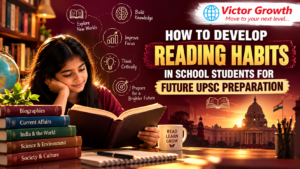
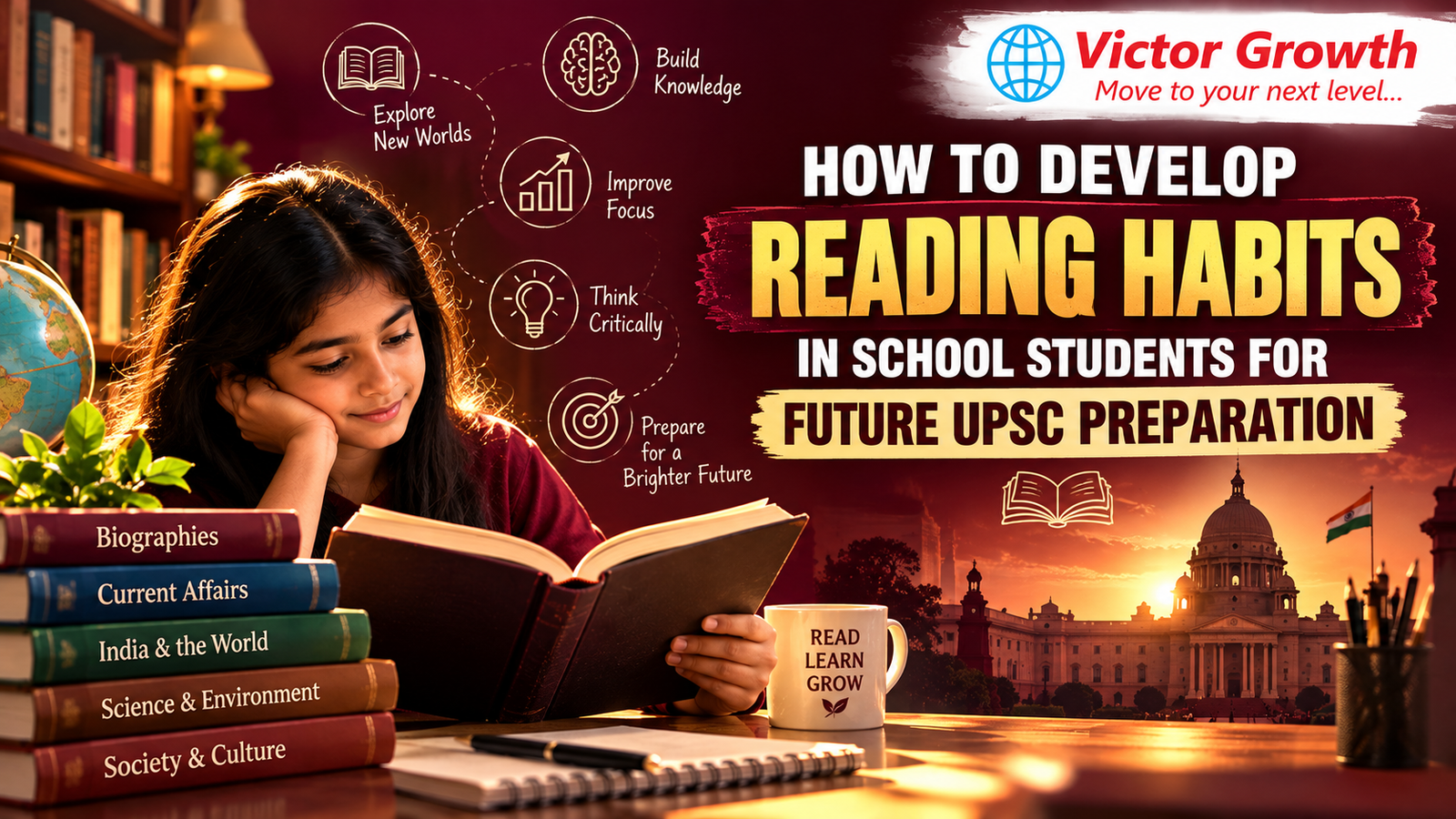
Reading is one of the most valuable habits school students can develop for future UPSC Civil Services Examination preparation. It improves vocabulary, comprehension, general knowledge, critical thinking, and the ability to understand different perspectives. These skills are useful not only for competitive examinations but also for academic success and personal development.
For students who aspire to become IAS officers, the school years offer an excellent opportunity to develop a consistent reading routine without the pressure of intensive examination preparation.
Parents looking for the Best IAS Coaching in Kerala should consider programmes that encourage reading, curiosity, current affairs awareness, and independent learning from an early age.
Why Is Reading Important for Future UPSC Preparation?
The UPSC Civil Services Examination tests more than factual knowledge. Aspirants need to understand complex issues, analyse information, form balanced opinions, and communicate ideas clearly.
Regular reading helps school students develop these abilities gradually.
Improves vocabulary and comprehension: Reading helps students understand unfamiliar words and interpret complex passages.
Builds general awareness: Newspapers, magazines, and informative books introduce students to national and international developments.
Develops analytical thinking: Reading about different viewpoints encourages students to question, compare, and evaluate information.
Strengthens writing skills: Students who read regularly often find it easier to organise their thoughts and express ideas clearly.
Encourages independent learning: A reading habit helps students explore topics beyond their school textbooks.
7 Effective Ways to Develop Reading Habits in School Students
1. Start with Books That Match Their Interests
Students are more likely to enjoy reading when they begin with subjects they find interesting. Storybooks, biographies, science books, historical narratives, and books about inspiring personalities are excellent starting points.
As their interest grows, students can gradually explore topics related to Indian history, geography, the Constitution, science, and society.
2. Create a Daily Reading Routine
Consistency matters more than the number of pages read. Begin with 10–15 minutes daily and gradually increase the duration according to the student’s interest and schedule.
A fixed reading time after school or before bedtime can help make reading a natural part of everyday life. The routine should complement schoolwork rather than create additional stress.
3. Introduce Newspaper Reading Gradually
Newspapers are useful for developing current affairs awareness, an important part of future UPSC preparation.
School students can begin by reading selected news about education, science, the environment, sports, and major national developments. Parents or teachers can explain unfamiliar topics and encourage students to discuss what they have learned.
The aim is to understand the news, not memorise every headline.
4. Encourage Reading Beyond Textbooks
School textbooks provide essential academic knowledge, but reading beyond the syllabus broadens students’ understanding of the world.
Encourage students to explore biographies, children’s magazines, atlases, educational articles, and age-appropriate non-fiction books. This variety helps them discover new interests while developing a broader knowledge base.
5. Discuss What They Read
Reading becomes more meaningful when students reflect on what they have learned. After completing a chapter or reading an article, ask simple questions:
What was the main idea?
What new information did you learn?
Why is this topic important?
Do you agree with the author’s viewpoint? Why?
These discussions improve comprehension, reasoning, and the ability to express opinions—skills that can benefit future civil services aspirants.
6. Maintain a Reading Journal
A reading journal helps students record useful information and track their progress. They can write down new words, summarise a story, note important facts, or explain a current affairs topic in a few sentences.
For younger students, short notes are sufficient. As they progress, they can practise writing structured summaries and connecting current events with subjects studied at school.
7. Make Reading Enjoyable, Not Compulsory
Parents and teachers should avoid turning reading into a burden. Allow students to choose some of their own books, visit libraries, share interesting articles, and participate in reading challenges or quizzes.
Parents can also set an example by reading regularly themselves. A supportive environment helps children develop a lasting interest in books.
How IAS Foundation Coaching Can Support Reading Habits
A structured IAS foundation programme can help school students turn reading into a purposeful learning habit. Guided current affairs discussions, quizzes, group activities, and short writing exercises can help students connect what they read with real-world issues.
Victor Growth, located in Kadavanthra, Kochi, encourages a foundation-oriented approach to competitive examination learning. For families searching for the Best IAS Coaching in Kerala, it is worth looking for programmes that promote conceptual understanding, mentorship, general awareness, and balanced learning alongside school education.
Early preparation should focus on building skills and curiosity—not pressuring students to study the complete UPSC syllabus prematurely.
Conclusion
Developing reading habits during school years can give future UPSC aspirants a valuable head start. By starting with interesting books, reading for a few minutes every day, exploring newspapers, discussing ideas, and maintaining a reading journal, students can gradually become confident and independent learners.
The goal is not simply to read more books but to understand ideas, ask questions, and develop a lifelong love of learning.
Frequently Asked Questions (FAQs)
1. At what age should students develop reading habits for UPSC preparation?
Students can begin developing reading habits in primary school through stories, biographies, and age-appropriate educational books. Current affairs and subject-based reading can be introduced gradually.
2. How much time should school students spend reading daily?
Starting with 10–15 minutes daily is practical. Students can increase their reading time as their interest and academic schedule permit.
3. Should school students read newspapers for IAS preparation?
Yes. Selected newspaper articles can help students improve comprehension and understand current affairs. The content should be appropriate for their age and understanding.
4. Which books should school students read for future UPSC preparation?
NCERT textbooks, storybooks, biographies, general knowledge books, atlases, and age-appropriate non-fiction books are useful starting points.
5. How can parents encourage children who do not enjoy reading?
Begin with short, interesting books, let children choose topics they enjoy, read together, and discuss stories without making reading feel like a compulsory task.
6. How can the Best IAS Coaching in Kerala help school students develop reading habits?
A suitable IAS foundation programme can support reading through guided current affairs sessions, quizzes, discussions, writing activities, and mentorship while helping students maintain a healthy balance with school studies.