Indian Economy is one of the important sections of the UPSC Civil Services Preliminary Examination. It tests candidates’ understanding of economic concepts, government policies, financial institutions, and current economic developments. Topics such as inflation, monetary policy, fiscal policy, banking, taxation, unemployment, and economic growth are frequently relevant to the examination.
For UPSC Prelims 2027, candidates should focus on understanding fundamental economic concepts and connecting them with current affairs. Instead of memorising facts, develop a clear understanding of how the Indian economy works.
1. Understand the Indian Economy Syllabus
UPSC does not provide a separate detailed syllabus for Indian Economy. However, the subject is covered under the General Studies Paper I syllabus through economic and social development.
Focus on these important topics:
Basic Economic Concepts: GDP, GNP, national income, economic growth, and development.
Inflation: Causes, effects, CPI, WPI, and methods of controlling inflation.
Banking and Financial System: RBI, commercial banks, monetary policy, digital banking, and financial inclusion.
Fiscal Policy: Government budget, fiscal deficit, revenue deficit, taxation, and public expenditure.
Monetary Policy: Repo rate, reverse repo rate, CRR, SLR, and Monetary Policy Committee.
External Sector: Balance of Payments, foreign exchange reserves, exports, imports, and exchange rates.
Agriculture: MSP, subsidies, agricultural credit, food security, and government schemes.
Poverty and Unemployment: Poverty measurement, employment programmes, and inclusive growth.
Government Schemes: Important economic and social welfare initiatives.
2. Focus on Important Economy Topics for UPSC 2027
Some topics deserve special attention because they connect basic economic concepts with current developments.
National Income and Economic Growth
Understand GDP, GVA, per capita income, real GDP, nominal GDP, and the difference between economic growth and economic development.
Inflation and Monetary Policy
Study different types of inflation, the role of the Reserve Bank of India, monetary policy instruments, and the impact of interest rate changes on the economy.
Banking and Financial Institutions
Understand the functions of RBI, commercial banks, NABARD, SEBI, and other important financial institutions. Also prepare digital payments, UPI, financial inclusion, and non-performing assets (NPAs).
Government Budget and Taxation
Prepare the Union Budget, fiscal deficit, revenue deficit, capital expenditure, direct taxes, indirect taxes, and GST.
Agriculture and the Rural Economy
Focus on Minimum Support Price (MSP), agricultural subsidies, crop insurance, irrigation, food processing, and rural development schemes.
External Sector and International Trade
Understand the Balance of Payments, current account deficit, foreign direct investment (FDI), foreign exchange reserves, and the role of international institutions such as the IMF and World Bank.
3. Read Current Affairs Along with Static Concepts
Current affairs are essential for Indian Economy preparation. UPSC often asks questions connecting economic concepts with recent government policies, reports, and financial developments.
Follow these sources:
The Hindu or The Indian Express: Read important economic news and policy developments.
Economic Survey: Understand the major economic trends, challenges, and government priorities.
Union Budget: Focus on important announcements, taxation changes, and expenditure priorities.
RBI Website: Follow monetary policy decisions, banking developments, and financial regulations.
PIB: Read important government schemes and economic initiatives.
Avoid collecting unnecessary news. Focus on understanding the background, objectives, and economic impact of important developments.
4. Choose the Right Study Materials
Using limited and reliable resources helps avoid confusion and saves preparation time.
Study material | Purpose |
|---|---|
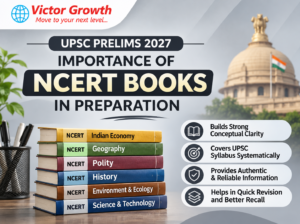
Class 11 NCERT – Indian Economic Development | Understand the Indian economy |
Class 12 NCERT – Introductory Macroeconomics | Learn fundamental economic concepts |
Indian Economy by Ramesh Singh | Additional reference for important topics |
Economic Survey | Understand current economic developments |
Union Budget | Study government financial priorities |
RBI publications | Learn about banking and monetary policy |
Current affairs magazines | Connect concepts with recent developments |
You do not need to read every resource cover to cover. Select relevant chapters and revise them regularly.
5. Practise Previous-Year Questions and Mock Tests
Solving previous-year questions is one of the most effective ways to understand UPSC’s question pattern.
Practise at least 10 years of relevant UPSC Prelims questions.
Identify frequently tested economic concepts.
Attempt topic-wise mock tests after completing each chapter.
Analyse incorrect answers and understand the concepts behind them.
Practise statement-based and conceptual questions.
Mock tests also help improve accuracy, time management, and the ability to eliminate incorrect options.
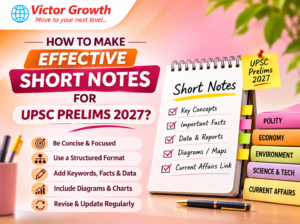
6. Prepare Short Notes for Revision
Indian Economy includes several concepts, definitions, economic indicators, and government schemes. Short notes make revision easier.
Prepare separate notes for:
Important economic terms and definitions.
RBI monetary policy tools.
Government schemes and their objectives.
Important budget announcements.
Economic Survey highlights.
Banking and financial institutions.
For every important concept, write its meaning, purpose, and practical impact. Revise these notes regularly instead of repeatedly reading entire textbooks.
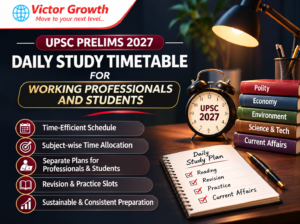
7. Follow a Simple Weekly Study Plan
Consistency is important when preparing for Indian Economy. A weekly schedule can help you cover the major topics systematically.
Day | Preparation focus |
|---|---|
Monday | Basic economic concepts and national income |
Tuesday | Inflation and monetary policy |
Wednesday | Banking and financial institutions |
Thursday | Government budget and taxation |
Friday | Agriculture and rural development |
Saturday | External sector and economic schemes |
Sunday | Revision and mock tests |
Try to spend around 1 hour daily on Indian Economy, depending on your overall UPSC preparation schedule.
8. Choose the Right Coaching and Guidance
Proper guidance can help aspirants understand difficult economic concepts and prepare effectively for competitive examinations. When searching for the best NDA coaching in Kerala, students should compare faculty experience, study materials, mock tests, and individual academic support.
However, NDA and UPSC Civil Services have different syllabuses and examination patterns. UPSC aspirants should choose a programme specifically designed for Civil Services preparation. Victor Growth Coaching Centre is an option to explore for competitive examination guidance in Kerala.
Frequently Asked Questions (FAQs)
1. Is Indian Economy important for UPSC Prelims 2027?
Yes. Indian Economy is an important part of General Studies Paper I. Questions may cover economic concepts, government policies, banking, taxation, and current developments.
2. Which topics are most important in Indian Economy for UPSC 2027?
GDP, inflation, monetary policy, fiscal policy, banking, taxation, agriculture, government schemes, and the external sector are important topics.
3. Which is the best book for Indian Economy preparation?
Ramesh Singh’s Indian Economy is a popular reference book. NCERT textbooks are also useful for building a strong foundation.
4. Is the Economic Survey important for UPSC Prelims?
Yes. It provides information about India’s economic performance, government policies, challenges, and important economic indicators. Focus on relevant concepts rather than memorising every statistic.
5. Can non-commerce students prepare Indian Economy easily?
Yes. Students from any academic background can prepare Indian Economy. Start with basic concepts and gradually move towards advanced topics and current affairs.
6. How much time should I spend on Indian Economy daily?
Around 1 hour daily is a practical starting point. Regular revision and question practice are equally important.
Conclusion
Preparing Indian Economy for UPSC Prelims 2027 requires a strong understanding of basic concepts, awareness of current economic developments, and consistent practice. Focus on important topics, refer to limited study materials, read the Economic Survey and Budget selectively, and solve previous-year questions regularly. A structured preparation strategy and proper guidance can help aspirants improve their confidence and perform better in the examination.