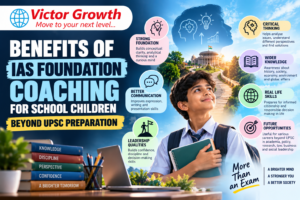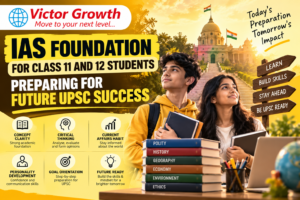
IAS foundation coaching is often associated with preparing students for the UPSC Civil Services Examination. However, its benefits can extend well beyond a future career in the civil services. For school children, a well-designed foundation programme can encourage curiosity, improve communication, strengthen general knowledge, and develop essential life skills.
The purpose of early IAS foundation learning should not be to place children under examination pressure. Instead, it should help them become confident, informed, independent learners who are better prepared for academic challenges and future career opportunities.
For parents searching for the Best IAS Coaching in Kerala, it is worth considering programmes that focus on the overall development of students rather than concentrating only on competitive examinations.
1. Improves General Knowledge and Awareness
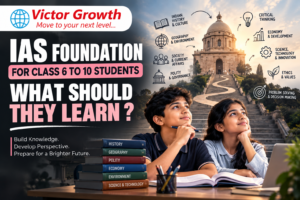
IAS foundation programmes introduce students to topics such as Indian history, geography, the Constitution, science, the environment, and current affairs.
Learning about these subjects helps children understand the world around them. They become more aware of national developments, social issues, scientific discoveries, and important events in Kerala and India.
This broader awareness can support school learning, quizzes, debates, and general academic development.
2. Develops Critical Thinking and Problem-Solving Skills
Students benefit when they are encouraged to ask questions, examine evidence, and consider different viewpoints.
Through discussions, quizzes, and real-world examples, children can learn to identify problems, understand their causes, and explore possible solutions. These skills are valuable in academic projects, everyday decision-making, and future professional life.
Rather than simply memorising information, students learn to understand and apply what they know.
3. Strengthens Reading and Writing Skills
Reading newspapers, informative books, biographies, and educational articles can improve vocabulary, comprehension, and language skills.
Foundation activities may also encourage students to summarise information, write short essays, and explain concepts in their own words. These practices can help students perform better in school examinations and communicate more effectively.
Strong reading and writing skills are useful across almost every academic subject and career path.
4. Builds Communication and Public Speaking Confidence
Group discussions, presentations, debates, and classroom activities provide opportunities for students to express their ideas clearly.
With regular practice, students can become more comfortable speaking in front of others, organising their thoughts, and listening respectfully to different opinions.
These abilities can benefit them in school assemblies, competitions, interviews, higher education, and future workplaces.
5. Encourages Discipline and Independent Learning
A structured foundation programme can help students develop consistent learning habits. Activities such as regular reading, revision, quizzes, and short assignments teach them how to organise their time and take responsibility for their progress.
Students can gradually learn to identify what they need to study, set realistic goals, and review their own understanding.
These habits remain useful even if a student eventually chooses a career outside the civil services.
6. Creates Awareness of Different Careers
Learning about public administration, science, economics, international relations, environmental protection, and social development exposes children to a wide range of fields.
Students can begin to understand the roles played by civil servants, scientists, researchers, teachers, entrepreneurs, and other professionals. This exposure may help them discover their interests and make more informed career choices as they grow older.
IAS foundation learning should broaden a child’s horizons rather than limit them to a single career goal.
7. Develops Social Awareness and Responsible Citizenship
Understanding the Constitution, democracy, public institutions, and social issues can help students appreciate their responsibilities as citizens.
Discussions about environmental protection, equality, community welfare, and public services encourage them to think about how individuals contribute to society.
Such learning can promote empathy, responsible behaviour, and a better understanding of the challenges faced by different communities.
8. Supports Overall Academic Development
Many skills developed through IAS foundation learning are transferable to regular school education. Better comprehension supports language learning, analytical thinking helps students understand complex concepts, and regular revision improves study habits.
When introduced appropriately, foundation activities can complement school subjects and make classroom learning more meaningful.
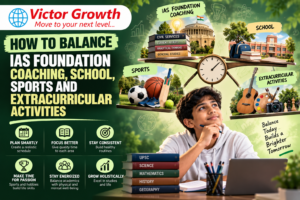
However, students’ regular education, physical activity, hobbies, and rest must remain priorities. Foundation coaching should support their development without creating unnecessary pressure.
Choosing the Best IAS Coaching in Kerala for School Children
Parents should look for a programme that combines conceptual learning with general awareness, reading, communication, and analytical activities. Age-appropriate teaching, supportive mentorship, interactive classes, and a manageable schedule are important considerations.
Victor Growth, located in Kadavanthra, Kochi, provides coaching for competitive examinations and supports foundation-oriented learning. Families searching for the Best IAS Coaching in Kerala should evaluate whether a programme encourages curiosity, independent thinking, and balanced academic development.
The right foundation programme should help children grow as learners, not simply prepare them for a future examination.
Conclusion
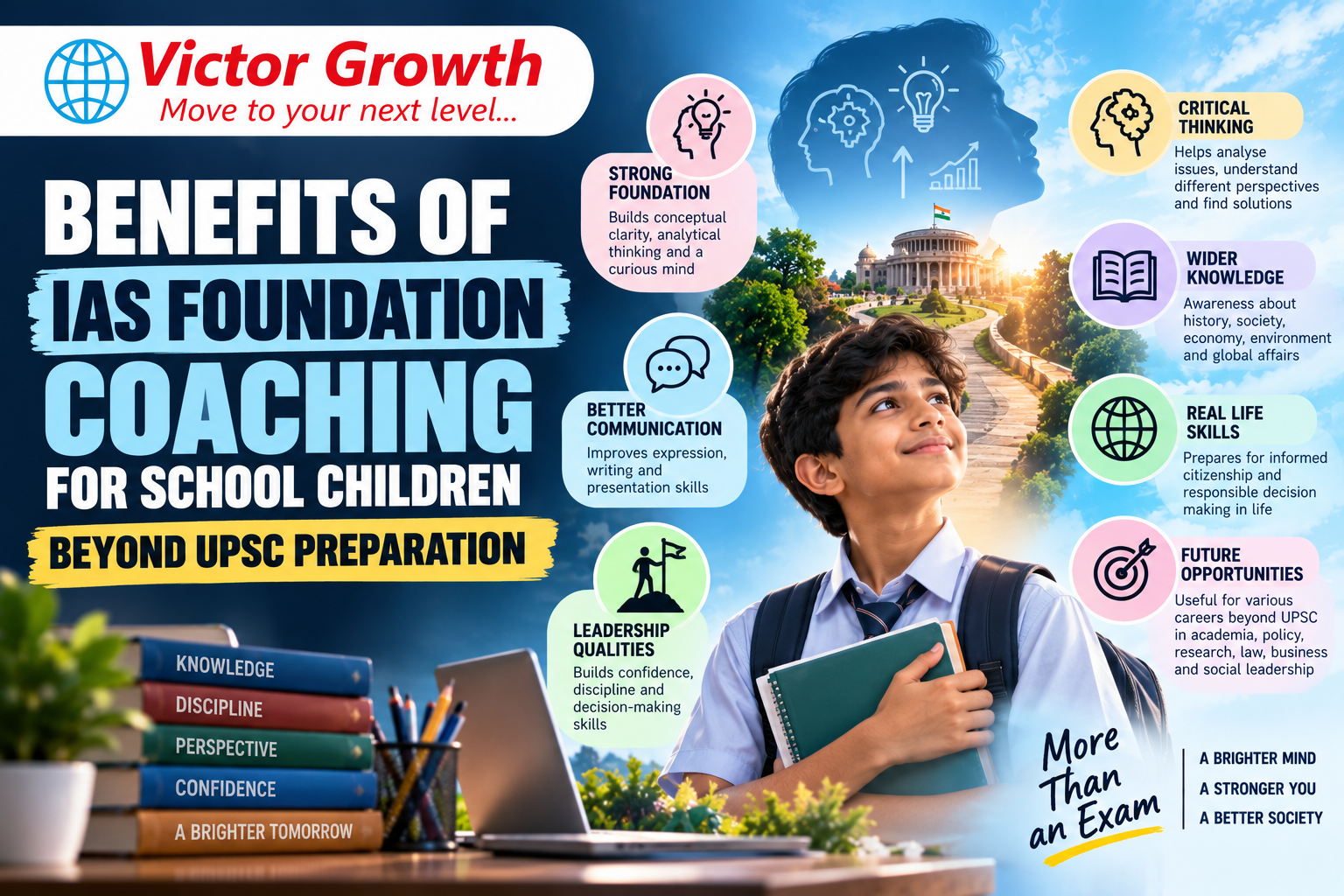
The benefits of IAS foundation coaching for school children extend beyond UPSC preparation. It can help develop general knowledge, critical thinking, communication, discipline, social awareness, and independent learning habits.
When introduced in an age-appropriate and balanced manner, these skills can support students throughout their education and future careers. The real value of foundation learning lies in helping children become curious, capable, and responsible individuals.
Frequently Asked Questions (FAQs)
1. Does IAS foundation coaching benefit students who do not want to become IAS officers?
Yes. Skills such as critical thinking, communication, reading comprehension, general awareness, and time management can be useful across many careers.
2. At what age can children begin IAS foundation learning?
Children can begin with age-appropriate reading, general knowledge, and school-level concepts during their school years. The intensity should increase only when appropriate for their age and interests.
3. Can IAS foundation coaching improve school performance?
It may support school performance by strengthening comprehension, subject understanding, revision habits, and analytical skills, provided the workload remains manageable.
4. What skills can children develop through IAS foundation coaching?
They can develop general awareness, logical reasoning, communication, public speaking, independent learning, and social awareness.
5. Should IAS foundation coaching replace regular school studies?
No. It should complement school education. School subjects, physical activity, hobbies, adequate rest, and overall well-being must remain important priorities.
6. How can parents choose the Best IAS Coaching in Kerala for school children?
Parents should look for age-appropriate teaching, experienced guidance, interactive learning activities, and a balanced approach that develops essential skills without placing excessive pressure on children.