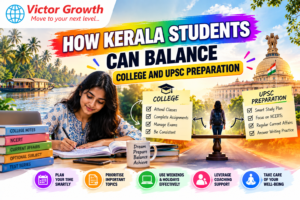
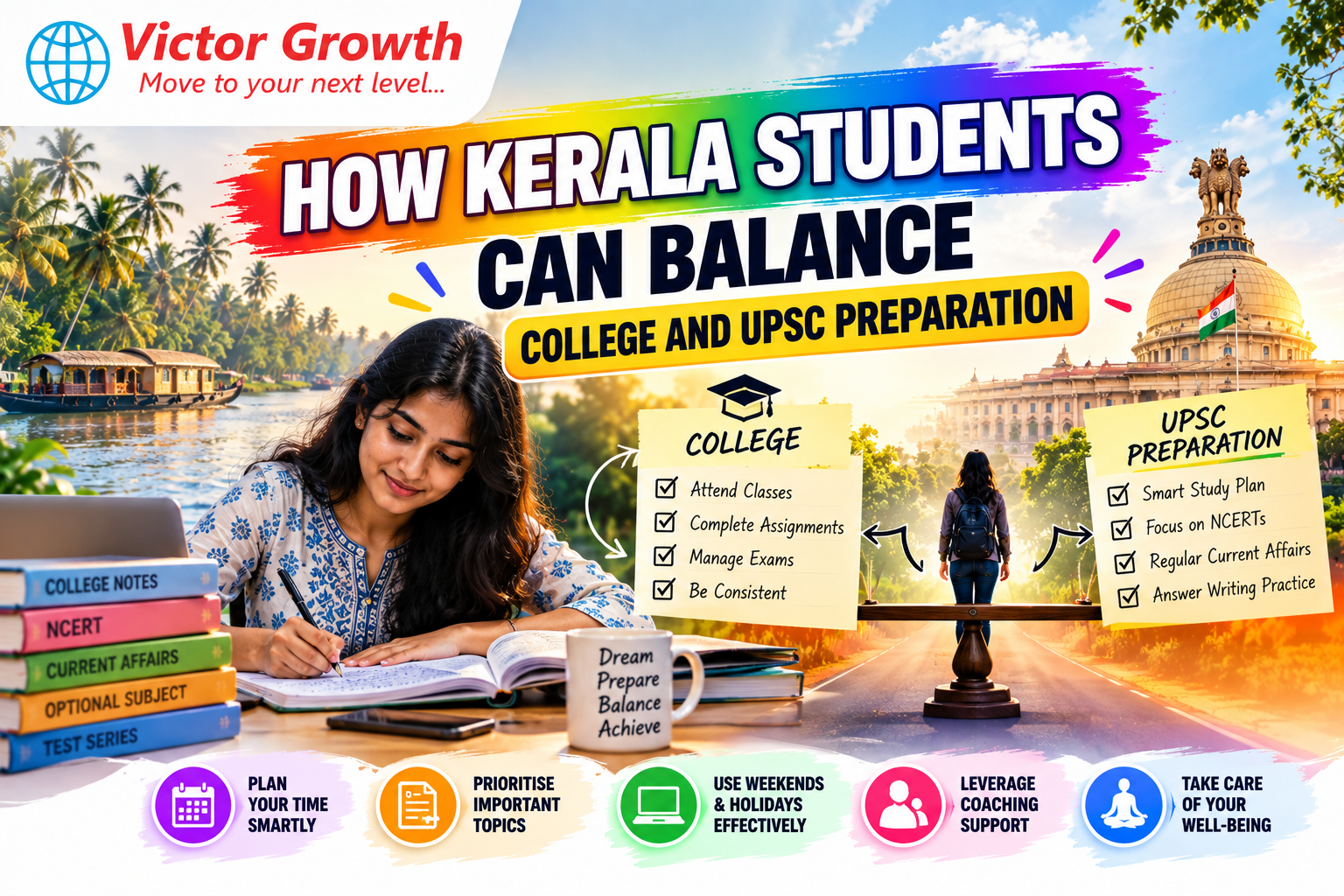
Preparing for the UPSC Civil Services Examination while pursuing college can be challenging, but starting early can provide a significant advantage. College students have the opportunity to gradually build their foundation, understand the UPSC syllabus and develop consistent study habits without putting their academic education on hold.
For Kerala students aspiring to become civil servants, the key is not studying for extremely long hours but creating a realistic and sustainable preparation routine.
For students looking for the Best IAS Coaching in Kerala, flexible coaching and proper mentorship can make it easier to balance college academics with UPSC preparation.
Can College Students Prepare for UPSC?
Yes. College is an excellent time to begin UPSC preparation, particularly for building fundamentals.
Students can use their college years to:
Understand the UPSC syllabus
Read NCERT textbooks
Develop a newspaper-reading habit
Study standard reference books
Analyse previous-year questions
Practise basic answer writing
Explore Optional Subjects
Build a foundation in General Studies
The goal should be to build gradually rather than rush into intensive preparation.
1. Prioritise Your College Education
Your degree should not be neglected while preparing for UPSC.
A practical approach is to give priority to college during:
Semester examinations
Internal assessments
Assignments
Project submissions
During relatively lighter academic periods, increase UPSC study hours.
This creates a sustainable balance rather than forcing yourself to manage two full-time commitments simultaneously.
2. Create a Realistic Daily Study Schedule
College students should build their UPSC timetable around their class schedule.
For example:
On College Days
Morning: 45–60 minutes of current affairs or revision
Between classes/free periods: MCQs or short-note revision
Evening: 2 hours of focused UPSC study
Before sleeping: 20–30 minutes of revision
Weekends
Use longer study sessions for:
GS preparation
Optional Subject
Mock tests
Mains answer writing
Weekly revision
Even 2–3 focused hours on college days, combined with productive weekends, can create strong long-term progress.
3. Avoid Resource Overload
One of the biggest mistakes beginners make is collecting too many books, PDFs, YouTube videos and online courses.
Instead, follow a limited resource strategy:
NCERTs + Standard Books + Current Affairs + PYQs + Test Practice
A structured UPSC coaching institute in Kerala can help students identify appropriate resources and avoid unnecessary duplication.
4. Make Current Affairs a Daily Habit
College students may not have several hours each day for newspaper reading.
Instead, spend a limited amount of time understanding important issues and make concise notes.
Focus on:
Government policies
Economy
Environment
Science and Technology
Governance
International Relations
Social issues
The objective is quality over quantity.
5. Use Vacations Effectively
College vacations can provide valuable uninterrupted preparation time.
Use longer breaks to:
Complete difficult GS subjects
Read standard books
Prepare Optional
Take mock tests
Practise answer writing
Revise completed topics
Consolidate current affairs
However, maintain adequate rest and avoid creating an unrealistic schedule that cannot be sustained.
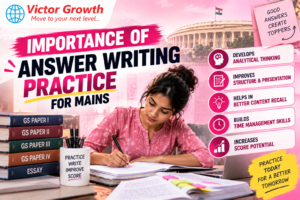
6. Start Mains Answer Writing Gradually
College students do not need to immediately write full-length Mains papers.
Start with one or two answers per week.
Gradually learn:
How to understand question demands
How to structure answers
How to use examples
How to write introductions and conclusions
How to manage word limits
Early practice can make Mains preparation much easier later.
7. Use College Subjects to Your Advantage
Depending on your degree, some college subjects may provide useful background for UPSC preparation.
For example, students studying:
Political Science
Economics
History
Geography
Sociology
Public Administration
Science or Engineering
may already have exposure to concepts relevant to certain areas of the UPSC syllabus.
However, students from any academic background can prepare successfully for UPSC.
How UPSC Coaching in Kerala Can Help College Students
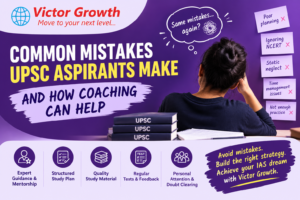
The right coaching program can make preparation more manageable by providing a structured academic framework.
Look for UPSC coaching in Kerala that offers:
Flexible class timings
Online and offline learning
Recorded classes
Structured study materials
Current-affairs guidance
Prelims mock tests
Mains answer-writing practice
Mentorship
Performance evaluation
For college students, flexibility is particularly important because academic schedules can change throughout the year.
Victor Growth – UPSC Coaching for Kerala Students
Victor Growth, Kochi provides UPSC Civil Services preparation through online and offline learning options, supported by study materials, mock tests, mentorship and structured guidance.
Flexible learning options can help college students gradually build their UPSC preparation while continuing their degree.
A Simple Weekly Plan for College Students
| Day | UPSC Focus |
|---|---|
| Monday–Friday | 2–3 hours daily: GS + Current Affairs |
| Saturday | GS + Optional + Answer Writing |
| Sunday | Mock Test + Revision + Test Analysis |
During college examinations, UPSC preparation can be reduced temporarily and increased again after academic commitments are completed.
Consistency matters more than perfection.
Frequently Asked Questions
1. Can I prepare for UPSC while studying in college?
Yes. Starting during college allows students to gradually build their foundation while continuing their degree.
2. How many hours should a college student study for UPSC?
There is no fixed requirement. Even 2–3 focused hours on college days, combined with productive weekends, can create significant progress over time.
3. Should college students join UPSC coaching?
It depends on the student’s needs. Coaching can be useful for structured learning, mentorship, study materials, tests and guidance, particularly for beginners.
4. Should I focus on UPSC or my college studies?
Both are important. Your degree should not be neglected. Adjust your UPSC preparation intensity around your college academic calendar.
5. Can I prepare for UPSC through online coaching from Kerala?
Yes. Online and hybrid programs can be particularly convenient for college students because they offer greater flexibility around class schedules.
6. How do I choose the best IAS coaching in Kerala as a college student?
Look for flexible timings, recorded classes, quality study materials, regular tests, mentorship and the ability to balance coaching with your college schedule.
Conclusion
Balancing college and UPSC preparation is primarily a time-management and consistency challenge. Kerala students do not need to sacrifice their college education to start preparing for the Civil Services Examination.
Start with the basics, use limited resources, develop a daily current-affairs habit, practise gradually and make productive use of weekends and college vacations.
For students searching for the Best IAS Coaching in Kerala, choose an institute that provides flexible learning, structured study materials, mock tests, mentorship and consistent academic support.
The objective is not to study all day. It is to study consistently, learn effectively and build your UPSC preparation step by step while completing your degree.